The most important points
Home staging is the professional presentation of real estate to promote sales. The main goal is to shorten the selling time and achieve a higher selling price. This is achieved through measures such as depersonalization, decluttering, targeted furnishing, and decoration. A cost-effective alternative, especially for empty properties or those in need of renovation, is digital home staging. Investing in home staging usually pays off through a significantly higher return.
1. What is Home Staging and Why is it Important for Real Estate Sales?
Home staging, literally translated as "home staging," refers to the professional preparation of a property for sale. It is a strategic mix of interior design and sales techniques aimed at making the property attractive to the widest possible range of potential buyers. Originally widespread in the USA and Scandinavia, home staging has also established itself in Germany as an effective marketing tool.
Focus on Emotions
The importance of home staging is deeply rooted in the psychology of buying real estate. Many purchasing decisions are made emotionally and within a few seconds, often based on the first impression, the photos in the real estate exposé, or the first property viewing. A property that is presented appealingly and neutrally makes it easier for interested parties to imagine themselves living in the rooms. Personal items and overly individual furnishings can hinder this process, as they limit the imagination of potential buyers.
Advantages for Sellers
For sellers, home staging offers decisive advantages: it can significantly shorten the selling time and achieve a higher selling price. A professionally staged property stands out from the competition and arouses stronger interest, which ultimately leads to a faster house sale.
2. The Basics of Home Staging: How to Optimally Prepare Your House or Apartment
Preparing your property is the first and crucial step in the home staging process. The goal is to create a well-maintained and inviting overall impression that puts potential buyers in a positive mood. Critically examine your house or apartment as if you were a prospective buyer yourself. Pay attention to the overall condition, necessary repairs, and cleanliness. The entrance area and the garden are the calling card of your property and should be clean and well-maintained.
Depersonalization and Decluttering
A central aspect is depersonalization and decluttering. Personal photos, collections, or very individual decorative items should be removed. This creates a neutral atmosphere in which every interested party can imagine leading their own life in these rooms. At the same time, the property should be thoroughly decluttered to convey a sense of space and order.
Neutral Color Scheme and Decoration
Neutral design plays an important role. Light, neutral wall colors, such as white, make rooms appear larger and friendlier. Targeted but unobtrusive decoration can set accents without dominating. The goal is to appeal to a broad target group and not deter potential buyers with a taste that is too specific.
Small Repairs with Great Impact
Finally, small repairs should not be underestimated. Loose door handles, dripping faucets, or worn silicone joints can give the impression that the property has been neglected. Fixing such defects signals care and creates trust among interested parties.
3. Home Staging Measures in Detail: From Furnishing to Lighting
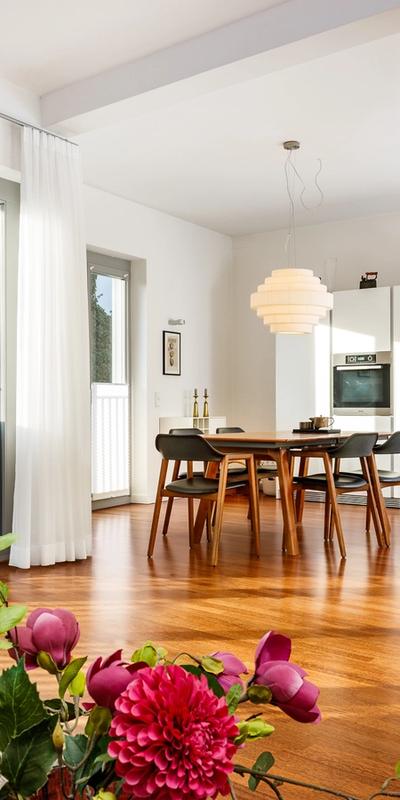
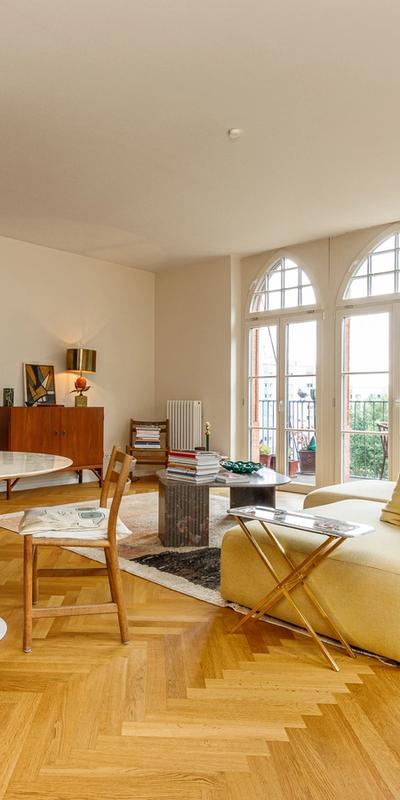
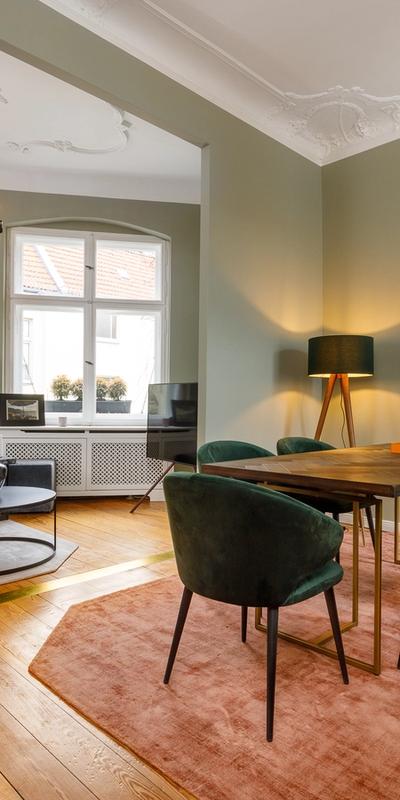
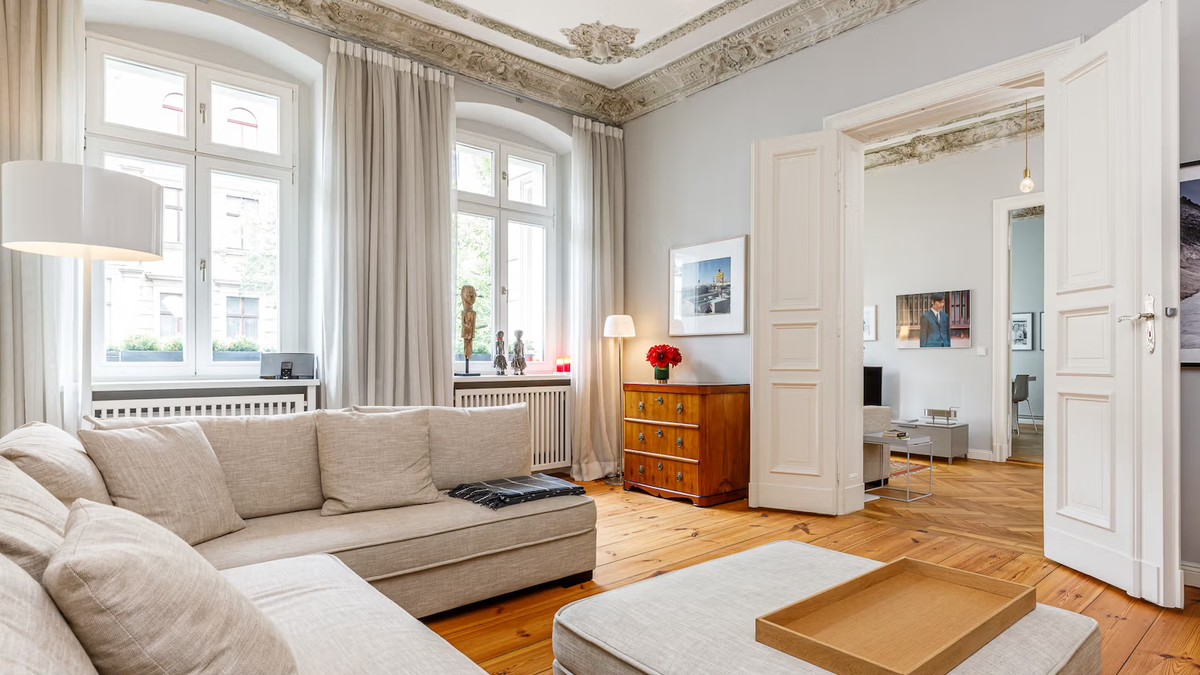
After preparation, the actual transformation begins: the staging of your rooms. Professional furnishing and decoration are crucial here. Instead of arbitrary furnishing, experts choose furniture and accessories that emphasize the potential of each room and make the actual size visible. The result? A staged property often appears significantly more spacious and inviting than an empty room. Through high-quality but stylistically unobtrusive furniture, the imagination of the buyers is stimulated, making it easy for them to feel at home during the first walkthrough.
Light as a Design Element
Light and atmosphere play an essential role. Good lighting, both natural and artificial, can make rooms appear brighter, warmer, and more inviting. Large windows should be kept clear and, if necessary, trees or shrubs should be trimmed to let in more daylight.
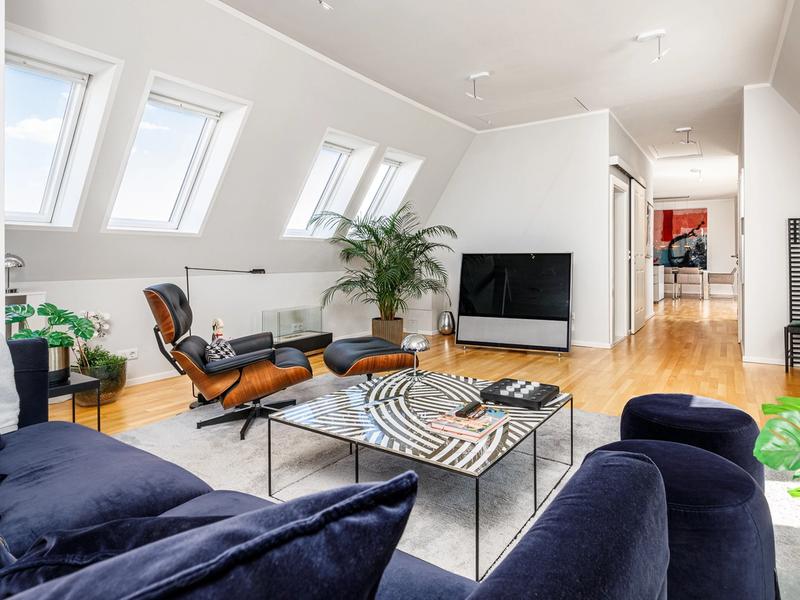
The Outdoor Area as a Calling Card
The garden and outdoor area must also not be neglected. A well-maintained front garden, clean paths, and an appealing terrace contribute significantly to the first positive impression.

Different Home Staging Approaches
There are different approaches to home staging: Action staging is used for occupied properties, where the home stager provides advice and supports the residents in the redesign. In classic home staging for unoccupied properties, the rooms are completely equipped with rental furniture and decoration.
4. Digital Home Staging: The Modern Alternative for the Virtual Tour
Digital home staging is an innovative and cost-effective method for virtually staging properties. Photos of empty rooms or those in need of renovation are digitally enhanced with furniture, decoration, and lighting to create an appealing and realistic image.
Advantages of Virtual Staging
The advantages of digital home staging are diverse: it is significantly more cost-efficient than traditional home staging, as no physical furniture needs to be rented or transported. Implementation is flexible and fast, and it is ideally suited for properties that are vacant, still under construction, or require extensive renovation. Thus, potential buyers can recognize the full potential of a property without having to laboriously imagine the actual conditions. This is particularly advantageous for digital real estate ads and virtual tours.
5. Costs and Benefits: Is Home Staging Really Worth It?
The investment in home staging is often viewed as a cost factor, but numerous experiences prove that this measure pays off in most cases. The cost factors for home staging vary depending on the scope of the service and the size of the property. They are usually between 1% and 3% of the selling price.
The Measurable Added Value
A cost-benefit analysis shows that the investment in home staging amortizes through a higher selling price and a shorter selling time. Experience shows that staged properties often sell within a few months and can achieve a 10% to 15% higher selling price. This not only saves ongoing costs for the property (heating, water, mortgages) but also maximizes the proceeds for the seller. Also, consider other factors when changing ownership to ensure the process runs smoothly.
When Home Staging is Less Useful
However, there are also cases where home staging is not useful. For properties in need of major renovation in the low-price segment, where the costs for repair and staging would exceed the potential profit, an investment is often not profitable. Also, for rented properties where the tenant does not exercise care, home staging is legally and practically difficult to implement. An individual cost-benefit analysis by an expert is therefore always advisable.
Home Staging as a Success Factor for Your Real Estate Sale
Don't miss this opportunity to optimally position your property on the market. The experienced team at coming home Sales is happy to assist you with comprehensive advice. Contact us today for a non-binding conversation. Book your appointment for a property valuation in Berlin!
This article is for general information and does not replace individual legal or professional advice.